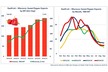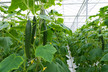

The 2024/2025 berry season in Huelva ended on a positive note for strawberries, despite weather challenges early in the season and in March. The Andalusian Regional Government's Price and Market Observatory reports that the average strawberry price was €2.19/kg, which is 18% higher than the previous season and above the five-year average.
Huelva, responsible for 96% of Andalusian exports and nearly 80% of Spain's exports, harvested 315,710 tons of strawberries, a 1.4% increase from last season. Despite drought and heavy rains that led some farms to replant, higher prices helped sustain profitability.
Eighty-two percent of the crop was sold in standard format, with prices rising by 15% to 23%, which helped offset higher costs and weather difficulties.
Results for the remaining berries were mixed. The average value of raspberries declined by 4.9%, reaching €7.11/kg, whereas blueberry prices increased by 10.2% to 4.99 €/kg. Blueberry production amounted to 66,600 tons (+16.3%), raspberry production was 31,900 tons (+7.5%), and blackberry production totalled 3,238 tons.
For the first time, the cultivated areas of raspberry, blueberry, and blackberry surpassed those of strawberry, indicating a diversification trend. Strawberry stayed at 6,550 hectares (+0.6%), while blueberry expanded to 4,500 hectares (+6.9%), raspberry increased to 1,680 hectares (+9.1%), and blackberry reached 185 hectares (+13.5%).
In exports, strawberries remained the top product, with Germany (29%) as the primary destination, followed by France (16%), the United Kingdom (14%), and Italy (8%). Conversely, Morocco was the leading supplier of strawberries to Andalusia, accounting for 96% of the import volume.
In summary, the season highlighted the resilience of Huelva's strawberry sector, which offset climatic difficulties with favorable prices and strengthened its important position in Andalusian agri-food exports. Meanwhile, efforts to diversify into other berries are advancing.
Source: El Conciso