

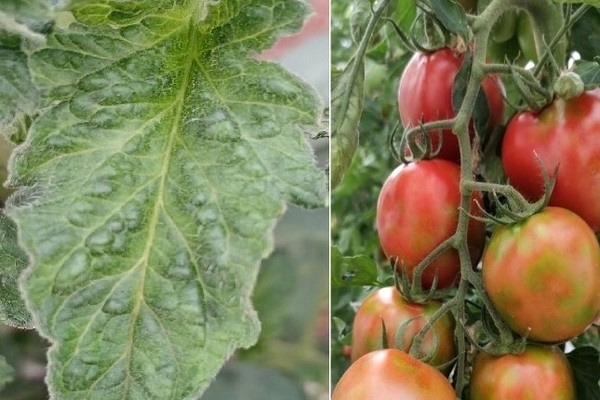
Researchers at the Andalusian Institute of Agricultural and Fisheries Research and Training (Ifapa) have conducted a study in Almería evaluating the effectiveness of biosolarization and biofumigation using crop residues infected with the Tomato brown rugose fruit virus (ToBRFV) and the Cucumber green mottle mosaic virus (CGMMV).
 © IFAPA
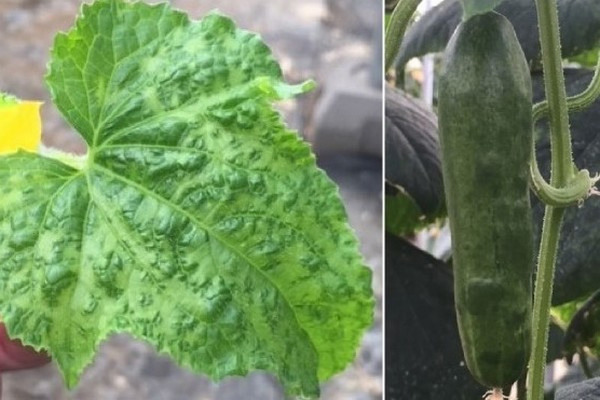
The research, carried out by the Phytopathology team of the Sustainable Plant Protection Area at Ifapa's La Mojonera center, found that neither technique was sufficient to inactivate the infectivity of these two tobamoviruses, both of which are among the most concerning pathogens affecting tomato and cucurbit crops worldwide.
Soil biosolarization has proven to be an effective chemical-free alternative to soil fumigants in Mediterranean greenhouse horticulture. Past trials have shown excellent results when using crop residues as biofumigant material to control fungal pathogens and parasitic nematodes.
 © IFAPA
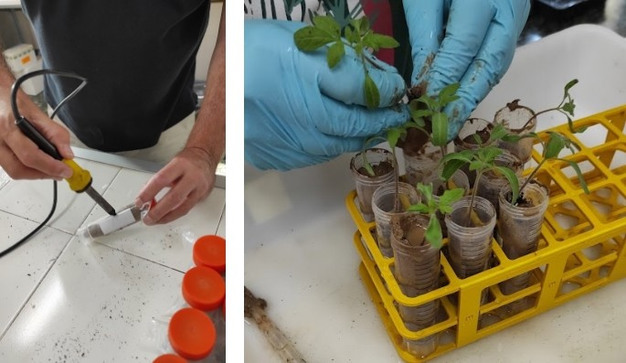
However, in this case, the results revealed that even 60-day biosolarization periods failed to reduce the transmission capacity of ToBRFV or CGMMV. Both viruses remained fully active, causing visible symptoms and high viral loads in subsequent plantings.
The study highlights the significant risk of viral contamination when performing biosolarization or biofumigation using residues from virus-infected crops, an important consideration for integrated pest and disease management in greenhouse systems.
 © IFAPA
The findings were published in the scientific journal Scientia Horticulturae as part of the Ifapa project "Integrated pest management for greenhouse crops, including soil health challenges," co-funded by FEDER.
The full article can be accessed at the following link: https://www.sciencedirect.com/science/article/pii/S0304423825002444?via%3Dihub
For more information:
IFAPA
[email protected]
https://www.juntadeandalucia.es