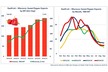

In recent years, Vietnam's vegetable exports have grown strongly, covering a diverse range of products such as leafy vegetables, fruiting vegetables, and culinary herbs. The market still holds significant potential, with forecasts indicating that exports of vegetables and herbs are likely to achieve a breakthrough in the near future.
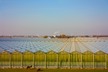
Dong Nai has a large agricultural land fund and numerous advantages for attracting enterprises to invest in agriculture, especially high-tech agriculture, including vegetable production. Many businesses and cooperatives in the province have successfully exported vegetables and spices to demanding international markets.
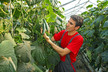
Currently, Viet Rau Joint Stock Company (Phuoc Thai commune) exports about 5,000 tons of leafy vegetables, fruit vegetables, and culinary herbs on average each year. To meet the standards for export to Switzerland, the products must comply with very strict requirements, from production processes to post-harvest handling and packaging. In particular, before export, the vegetables must be tested for 581 active pesticide substances and other chemical residues according to European safety standards.
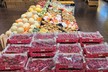
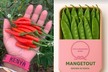
Long Phuoc Bonsai Seedling Cooperative (Long Thanh commune) has invested in growing and exporting chili peppers. The export chili farm of this cooperative has been certified organic. Its fresh chili products have been exported to markets including Germany, France, and Canada. Although chili is a common agricultural product, it often sells at high prices due to strong demand both domestically and abroad. This reality is because chili plants are more susceptible to diseases than many other vegetable and culinary herb crops, so many farmers are reluctant to invest in them.
Read more at Bao Dong Nai dien tu